
Where Hidden Moisture Can Remain After a Flood
The floor may look dry again. The walls may look fine. You might even think the worst part is over.
Not necessarily.
After a flood or major leak, water can settle underneath flooring, behind drywall, around cabinets and inside other enclosed spaces. Some of these areas aren't obvious during a quick visual check. That's why checking for moisture properly matters before damaged materials are covered up or repaired.

Water Doesn't Always Stay Where You Saw It
Water has a habit of travelling.
A leaking appliance can send water underneath flooring and into nearby walls. Floodwater can work its way behind trim or through small gaps, then sit there quietly. Carpet is another common example. The surface may feel reasonably dry while the padding underneath is still holding moisture.
You won't always know by touching it.
Professional restoration teams can use moisture-detection equipment to locate damp areas that aren't visible. ServiceMaster Cleaning & Restoration Pro also monitors the drying process as part of its water restoration work.
Check Under the Flooring Too
Flooring can be deceptive after water damage.
Laminate may swell. Wood can change shape. Carpet and padding can retain water underneath, while the subfloor stays damp for considerably longer than the surface.
That doesn't mean every wet floor needs to be torn out. First, you need to know how far the moisture has travelled and whether the material can be properly dried.
That distinction can save unnecessary replacement work.
Walls and Cabinets Can Hide Damp Spots
The lower section of drywall is particularly vulnerable because water tends to collect near the floor. Cabinets can create another problem. Water may get underneath or behind them and remain there long after the visible puddle has disappeared.
A few fans running in the room may not solve that.
Water restoration can involve extraction, air movement and dehumidification, with drying monitored rather than simply left to chance.
Don't Wait for a Musty Smell
A musty odour or visible mould can be a warning sign, but you don't really want to wait for either one.
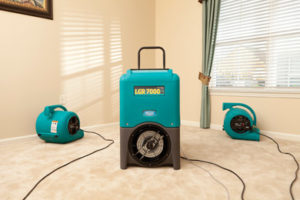
Lingering moisture can contribute to mould growth and continued damage to building materials. If a property has been affected by flooding, Disaster Restoration in Glenview, IL should include finding the moisture that isn't immediately visible, not simply removing the water you can see.
ServiceMaster Cleaning & Restoration Pro provides water extraction, moisture assessment, drying and restoration services for properties in the Glenview area. Getting the affected areas checked early can make the next repair decision a lot clearer.