Winterizing Your Pipes: A Homeowner’s Guide to Preventing Bursts
Winter in Illinois is no joke. One day it’s chilly, the next day the temperature drops below zero and everything freezes. For homeowners in Glenview, this is the time of year when plumbing gets put to the test. A frozen pipe isn’t just an inconvenience; it’s a ticking time bomb that can turn your basement into a swimming pool overnight.
Nobody wants to deal with water damage in the middle of January. A little bit of prep work now can save you a massive headache later. Here is how to keep things running smooth when the cold hits.
Keep the Heat On
It sounds obvious, but a lot of people make the mistake of turning the thermostat way down when they go on vacation. If you are leaving town, keep the house at least at 55 degrees. You might save a few bucks on the heating bill by turning it off, but that won't cover the cost of a burst pipe flooding your living room.
Insulate Exposed Pipes
Take a walk through your house. Look for pipes in unheated areas like the attic, garage, or crawl spaces. These are the ones most likely to freeze. You can buy foam pipe insulation at any hardware store for cheap. Its easy to install—just slip it over the pipe. For extra protection, you can use heat tape, which wraps around the pipe and plugs into an outlet to keep it warm.
Let Faucets Drip
When the weather forecast says its going to be extremely cold, let your faucets drip a little bit. Moving water is harder to freeze than standing water. You don't need a steady stream, just a slow drip from the cold water tap is usually enough to relieve pressure in the system.
Also, open up the cabinet doors under your kitchen and bathroom sinks. This lets the warm air from your house circulate around the pipes.
What If a Pipe Bursts?
Sometimes, despite your best efforts, nature wins. If you wake up to water spraying everywhere, the first thing you must do is shut off the main water valve. Do not wait.
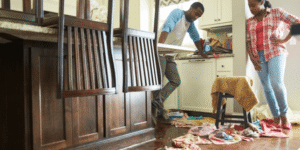
Once the water is off, the cleanup begins. This is where things get messy. Water soaks into drywall, carpets, and insulation instantly. If you don't get it dry fast, mold starts to grow within 48 hours.
This is when you need to call a professional Residential Restoration Service in Glenview, IL.
Who to Call for Cleanup
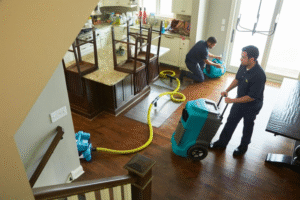
ServiceMaster Cleaning and Restoration Pro is the team you want in your corner during a disaster. They are available 24/7, which matters because pipes rarely burst at a convenient time. They don't just mop up the water; they use high-capacity dehumidifiers to pull moisture out of the air and structure.
Their team handles everything from extracting water from your carpets to drying out your documents and electronics. If the damage is bad, they can even handle the reconstruction and talk to your insurance company for you.
Winter is tough, but your house doesn't have to suffer. Prepping your pipes helps, but if disaster strikes, ServiceMaster is ready to help you recover.